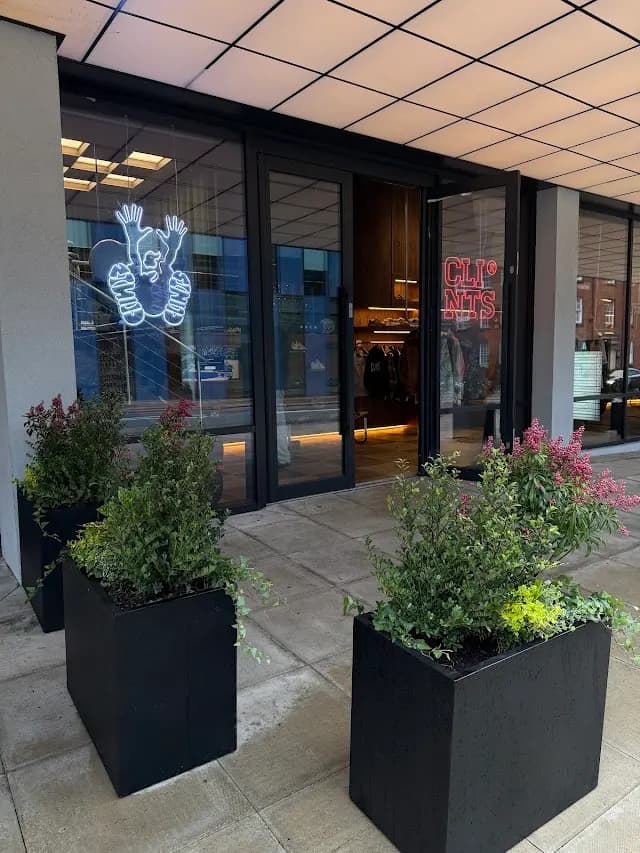
Manchester skyline at dusk, product work built in the city

WezDev

Product platforms · Manchester

Product platforms that have to work in Manchester.

I design and ship multi-sided products. Listings, providers, events, permissions, reputation, one system. Not a brochure site. AfroFind is live.

The work

A platform is not a website with extra pages.

A platform only works when different people already share it. Buyers come to search and buy. Sellers publish what they sell and take bookings or orders. Admins verify before anything is allowed to scale. All of that has to rest on one identity and one set of records. Give each role its own login, or bolt tools on afterwards, and you are not building a platform. You are stacking products that will not hold when those people need the same data to agree.

What a product platform actually is

A product platform is one product where buyers, sellers, and admins already share the same users, listings, bookings, payments, and reputation. A website only publishes content. A marketplace template mostly gives you a listing grid. Neither keeps those people on one set of records. When the model is shared, someone can find a business, place an order, leave a review, and an admin can govern it without stitching three tools together.

Where most products stall

Plenty of teams ship a brochure that looks finished, then need customers to buy, sellers to run the day-to-day, and admins to keep things honest. That is a different problem from publishing pages. If those roles do not share the same data, you end up with handovers, spreadsheets, and a second build when the product has to grow. The work I take on starts before that rewrite becomes inevitable.

People and permissions are the product

On a platform, different people need different jobs from the same records. Buyers search, buy, and leave reputation other people can trust. Sellers claim a listing, publish what they offer, and take bookings or orders. Admins verify accounts, hide abuse, and decide what commercial access looks like. Those journeys only work if they share one identity and one model of the world. Paint permissions on afterwards and you get broken handovers and a rewrite. Get them right early and growth is mostly more of the same product, not a second product for each role.

Discovery is not five disconnected tools

Search, listings, bookings, reviews, and payments look like a feature list. On a real platform they are parts of one loop: find something, trust it, transact, leave a trail other people can use. Split them into separate apps or vendor tools and the loop breaks the moment someone has to reconcile who bought what, from whom, and whether the listing is still honest. AfroFind keeps that loop in one model instead of shipping a new product every time a new kind of listing appears. That is the difference between a marketplace demo and a platform you can still own after the first year of real use.

Proof

AfroFind is the case, not a mockup.

A live UK discovery platform for African and Caribbean businesses, providers, and events. Listings, bookings, and reputation share one model. Tap a listing to see it on the platform.

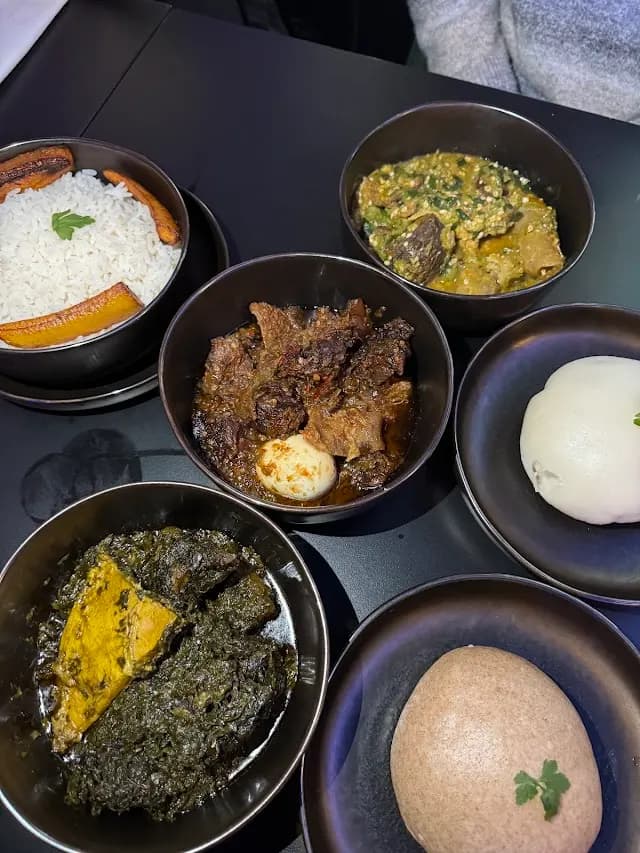
Enish Brixton on AfroFind

Platform · marketplace

AfroFind

Live listing: Enish Brixton

Hard part: Listings, providers, events, and trust cannot each be a separate product.

Outcome: A live UK discovery platform with one shared object model for businesses, bookings, and reputation.

People

Who the platform has to serve.

Pick a role. Same data, different job. That is the product, not four microsites.

Customers

Find, book, trust

Customers search businesses, providers, and events, then book and leave reputation other people can use. If discovery is a separate site from bookings, they bounce. On a platform they stay in one product.

Customers
Find, book, trust. Customers search businesses, providers, and events, then book and leave reputation other people can use. If discovery is a separate site from bookings, they bounce. On a platform they stay in one product.
Businesses
Claim and operate. Businesses claim a listing, publish what they actually offer, and grow from being found into running the operation. They need a different permission set from a guest, not a second codebase.
Providers
Calendar and reputation. Independent providers need a calendar and a public reputation without pretending to be a full organisation. The object model has to treat them as first-class, not a bolted-on category.
Admins
Verify before scale. Admins verify, hide, resolve claims, and package commercial access. That governance layer has to exist before the marketplace is large. Trust is not a v2 feature.

Hard parts

The work that actually decides if it ships.

These are the AfroFind problems that show up on every serious platform. They are also the conversation I want before a brief.

Shared object model

Listings, events, providers, and organisations cannot each be a separate product. One model for users, businesses, bookings, reviews, and payments. Categories activate engines rather than fork them.

Different people, different jobs

Customers, businesses, providers, organisers, and admins need different permissions and flows. Map those journeys early or you will paint permissions on afterwards.

Trust before scale

Verification, claims, visibility, and commercial packaging have to exist before the thing is large. A marketplace without governance is a directory that decays.

What you hire

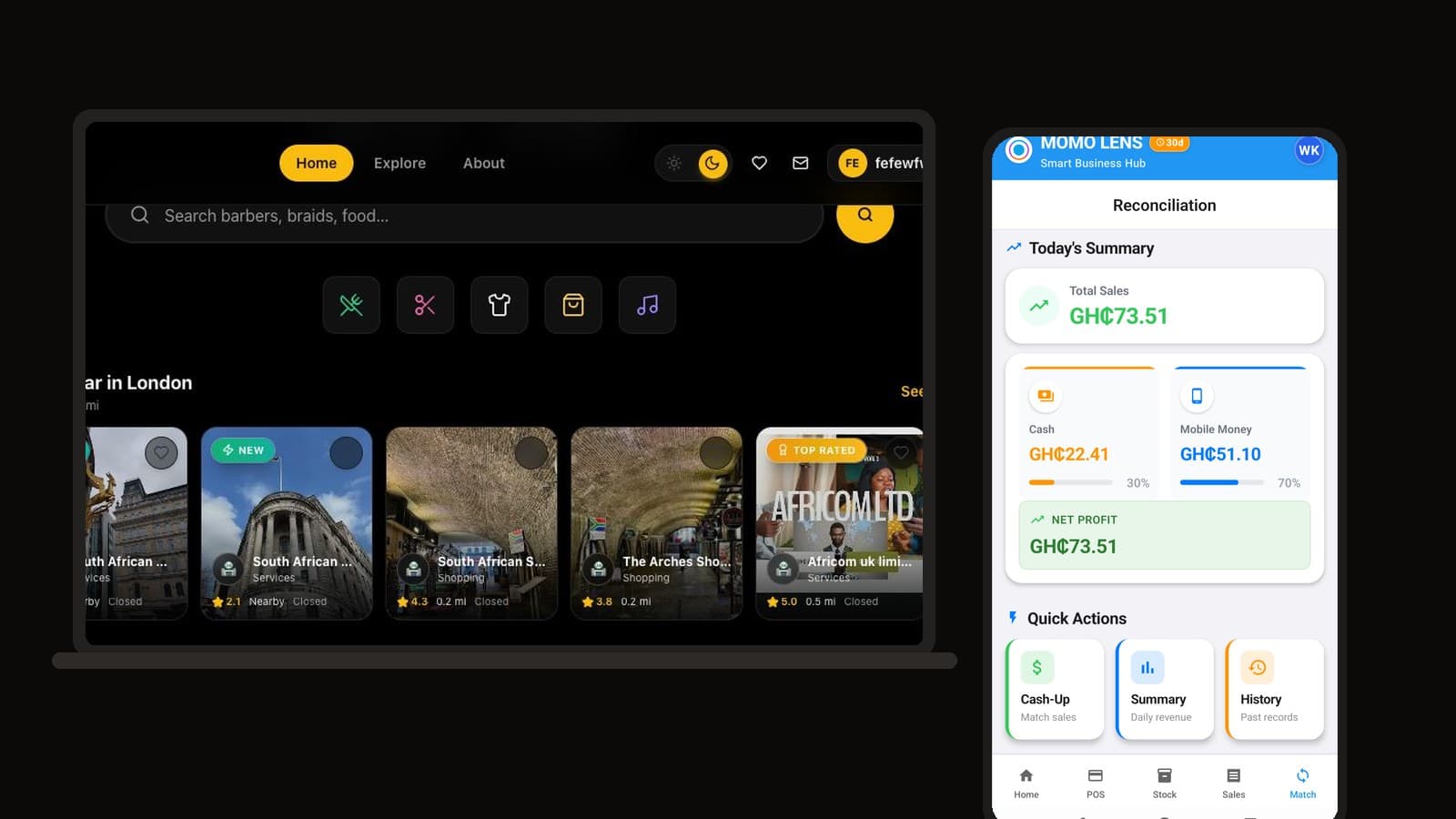
AfroFind discovery platform on a laptop beside the MOMO Lens reconciliation app on a phone

01

Product platforms

Different people, different permissions, one product. AfroFind lists UK African and Caribbean businesses for the people trying to find them. MOMO Lens handles sales, mobile money, and reconciliation for merchants.

FAQ

Straight answers.

Who builds product platforms at WezDev?

Wez Kambele is a software engineer based in Manchester, working as WezDev. He designs and ships multi-sided product platforms, including AfroFind, a live UK discovery marketplace for African and Caribbean businesses, providers, and events.

Where are you based?

Manchester, United Kingdom. Remote collaboration is normal. UK and Africa-facing product work is a natural fit.

Is a marketplace the same as a website?

No. A website publishes content. A marketplace or product platform has several kinds of users, shared data, permissions, and usually bookings or payments. AfroFind is a platform: listings, providers, events, and reputation share one object model instead of five disconnected tools.

Do I need to be in Manchester to work with you?

No. Manchester is where I am based. Most platform work is remote. Being able to meet in the city is useful. It is not a requirement.

How do I start?

Read Work with me, then send a short brief on Get started: what you are building, who has to use it, and what has to work in production. A clear problem statement beats a long pitch deck. You can also email contact@wezdev.co.uk.

Is this web development Manchester?

Not in the agency sense. This page is for teams who need a multi-sided product, not a WordPress brochure or a generic web-design engagement. If you need a marketing site, I am usually not the right hire.

Related: AWS infrastructure in Manchester · Work with me

Next

If you are building a platform, start with the hard parts.

Tell me who has to use it and what has to hold in production. I will tell you whether I am the right engineer for it.

Your privacy

Cookies help us understand journeys — not sell your data.

We use essential cookies for theme and consent. With your permission, analytics shows which pages and projects people explore so the site can improve. You can change this anytime.